Farm Animal Mandala SVG 3D Layered 12: A Practical Guide to Choosing and Using Layered Art
If you have come across a set called Farm Animal Mandala SVG 3D Layered 12, you are likely looking at a digital design bundle that combines two appealing trends: detailed mandala patterns and farm animal silhouettes, arranged in multiple layers to create a three-dimensional effect. These files are commonly used with cutting machines, laser engravers, or even as print-and-cut projects. The appeal is understandable—layered papercraft or wood art featuring cows, pigs, chickens, and horses arranged in circular, symmetrical patterns can produce striking wall art, gifts, or decor pieces. However, working with layered mandala SVGs is not always as straightforward as it looks. Many people run into issues that affect the final result, waste materials, or leave them frustrated. Let’s walk through what you need to know before you download, buy, or start cutting, so you can get the best possible outcome from your project.
Understanding What You Are Actually Getting
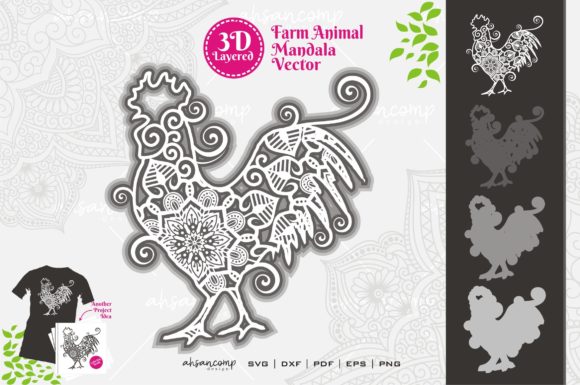
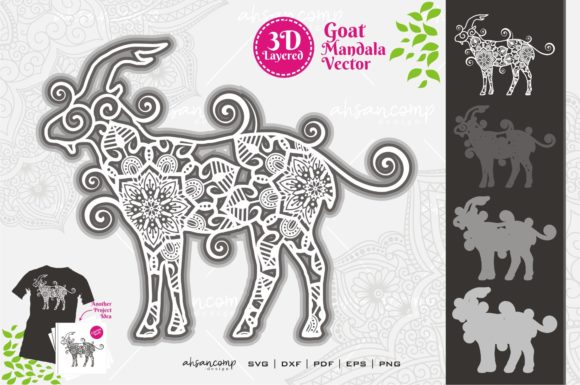
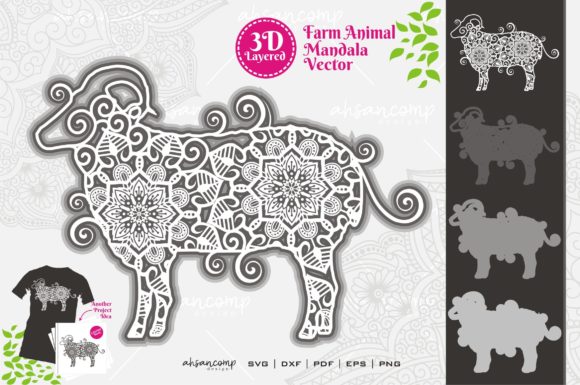
When you see a title like Farm Animal Mandala SVG 3D Layered 12, it helps to break down what each part means. The term “3D layered” indicates that the design is split into separate SVG files, each representing a different depth layer. You cut each layer from cardstock, wood, or acrylic, then stack them using foam adhesive or spacers to create a shadow-box effect. The number 12 usually refers to either the number of layers in the design or the number of separate designs included in the bundle. This distinction matters more than you might think.
One common misunderstanding is assuming that more layers automatically mean a better result. In practice, a 12-layer design can produce stunning depth, but only if each layer is visually distinct and the spacing between layers is adequate. If the layers are too similar in shape or too densely packed with details, the stacked result can look muddy rather than dimensional. Before committing to a specific set, check preview images carefully. Look for visible separation between layers in the example photos or mockups. If the finished sample looks flat or cluttered even in the seller’s best presentation, it will likely look worse when you cut it yourself.
Mistake Number One: Ignoring Layer Order and Tabs
A recurring issue with layered SVG sets—especially those with intricate mandala patterns—is that the layer order matters enormously. Mandalas often contain repeating, interlocking elements that look similar across layers. If you accidentally cut the second layer where the fourth should go, the entire alignment falls apart. This sounds obvious, but it happens more often than crafters expect, particularly when files are named generically like “layer1.svg”, “layer2.svg”, and so on without clear visual cues.
To avoid this, open all the SVG files in your design software immediately after downloading. Label each layer with its intended position using a naming convention that makes sense to you—such as “back_layer”, “mid_layer_1”, “front_detail”—rather than relying on numbers alone. Some designers include a reference image or PDF guide that shows the order. If your set does not include one, create your own by taking screenshots or writing notes. Taking five minutes to organize before you cut can save you from wasting an entire sheet of material on misaligned pieces.
Another overlooked detail is whether the SVG files include registration marks or alignment tabs. Tabs are small rectangular or circular protrusions that fit into corresponding slots on the adjacent layer, ensuring everything stacks perfectly. Not all layered mandala sets include them. If your chosen set lacks alignment tabs, you will need to either add your own manually or rely on careful hand alignment, which is difficult with intricate mandala cuts. If precision matters to you—and with layered 3D projects, it usually does—look for sets that include built-in alignment features, or plan to use a light box and physical guides during assembly.
Mistake Number Two: Overlooking Material Compatibility
Farm Animal Mandala SVG 3D Layered 12 designs often feature fine details, such as the spokes of a mandala or the feathers of a chicken. These delicate elements place real demands on your material choice. Heavy cardstock at 250 gsm or above works well for most layered papercraft, but if your layers are extremely intricate, thicker material may cause tearing during weeding or removal from the cutting mat. Conversely, thin paper may not provide enough rigidity to hold the layered structure upright, especially if the design is mounted on a wall or displayed in a frame.
Consider doing a small test cut of the most detailed layer using inexpensive copy paper before committing to your final material. This lets you see where the design is fragile and where you might need to reinforce certain areas or increase the blade pressure. For laser cutting, the same principle applies: test on scrap material first. The mandala’s tight curves can burn or warp if the power and speed settings are not dialed in correctly. A 12-layer design multiplies the potential for error, so testing one layer thoroughly is a wise investment of time.
Mistake Number Three: Assuming All SVG Files Are Created Equal
Not all SVG files are well-constructed. Some are auto-traced from low-resolution raster images, resulting in jagged edges, overlapping paths, or open contours that cause cutting machines to skip sections or cut incorrectly. When you purchase or download Farm Animal Mandala SVG 3D Layered 12, inspect the vector quality before cutting. Open the files in a vector editor like Inkscape, Illustrator, or even the free version of Cricut Design Space and zoom in closely on the mandala elements. Look for smooth curves, closed paths, and clean node placement.
If you find overlapping lines or tiny gaps, clean them up using a union or weld function to merge overlapping shapes. This step is especially important for layered designs because even a small gap or overlapping line can cause the cutting machine to misinterpret the path, resulting in a partial cut or an unintended score line. A few minutes of file cleanup can mean the difference between a crisp, professional-looking layered piece and one that looks rough around the edges.
Another quality indicator is whether the SVG files are organized into distinct layers or if all elements are mashed together on a single artboard. A well-designed set will have each physical layer saved as a separate SVG file or clearly separated within a single file using named groups. If you have to manually separate elements yourself, factor that extra time into your project planning. For a 12-layer design, reorganizing messy files can easily add an hour to your workflow.
Mistake Number Four: Underestimating Assembly Time and Technique
Cutting 12 layers is only half the project. Assembly is where the real artistry—and potential frustration—comes in. Stacking multiple layers of paper or wood requires patience, a steady hand, and the right adhesives. Many beginners use standard glue sticks or liquid glue, which can warp thin paper, ooze out from between layers, or fail to hold over time. Foam adhesive squares or dots are a better choice because they add consistent spacing and prevent the layers from compressing flat. For larger layers, double-sided tape in thin strips works well without adding bulk.
One practical tip: assemble the layers in reverse order, starting with the frontmost layer and working your way to the back. This allows you to see the alignment of fine details against the layers behind them. Use a light box or a bright window to check that the mandala’s center aligns properly through all layers. A misalignment of even a millimeter will become more visible as you stack, so take your time on the first few layers.
If you are framing the finished piece, measure the internal depth of your frame before you start cutting. A 12-layer design with foam spacers between each layer can easily reach a total depth of 1.5 to 2 centimeters. Many standard frames do not accommodate that much depth. You may need a shadow-box frame or a custom-deep frame. Checking this early prevents the disappointment of finishing a beautiful mandala only to find it does not fit in the intended frame.
What to Check Before You Buy or Download
Before you commit to any particular Farm Animal Mandala SVG 3D Layered 12 set, review these factors carefully:
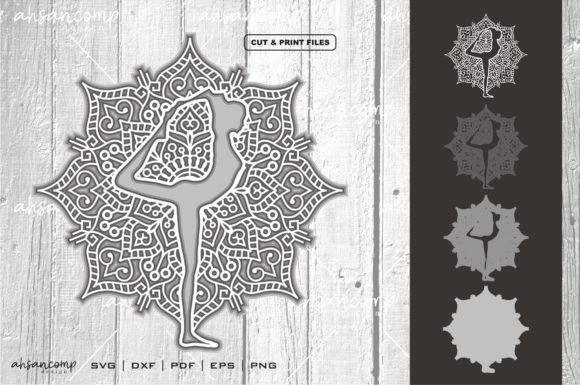
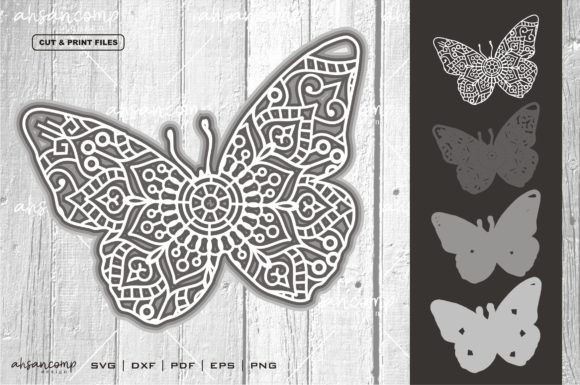
- Preview images that show each layer separately. If the seller only shows the final stacked result, you cannot evaluate how well the layers differentiate from one another. Ask for a layer breakdown if it is not shown.
- File format compatibility. SVG is standard, but some sets include DXF, PNG, or EPS versions. Confirm that your cutting software or machine accepts the format provided. Not all SVG files are equal—some are designed for screen use and lack proper cutting paths.
- Commercial use terms. If you plan to sell finished pieces made from this design, check the license. Many designers allow personal use only, while others offer extended licenses for small-scale commercial production. Ignoring this can lead to legal issues or having your shop listings taken down.
- Customer reviews mentioning ease of use. Look specifically for comments about alignment, assembly difficulty, and whether the files cut cleanly. Reviews that mention “tabs lined up perfectly” or “instructions were clear” are worth more than generic praise about the design being cute.
- Whether the set includes a test file or smaller project. Some designers provide a single-layer sampler or a mini version of the mandala so you can test your settings before cutting the full 12-layer project. This is a strong sign that the designer understands the practical challenges of layered crafting.
Practical Workflow for Better Results
If you already own a Farm Animal Mandala SVG 3D Layered 12 set or plan to get one, here is a workflow that reduces mistakes and improves your final piece:
- Preview and organize. Open all files in your design software. Rename layers clearly. Check for open paths or overlapping shapes. Fix what you can, and note any layers that look fragile.
- Test cut the most complex layer. Use inexpensive cardstock or scrap wood. Adjust blade depth, pressure, and speed until the cut is clean without tearing the material. Write down your settings so you can repeat them for the other layers.
- Cut all layers at once. Once your settings are dialed in, cut every layer in one session. This ensures consistent material tension and blade condition across all pieces.
- Weed carefully. Remove the negative space from each layer using a weeding tool. For mandala designs, work from the center outward to avoid distorting the fine details.
- Dry-fit before gluing. Place all layers on top of one another without adhesive to confirm alignment and depth. Adjust any layers that do not sit correctly.
- Assemble with spacers. Apply foam adhesive or tape to the back of each layer, starting from the front and working backward. Press each layer gently to avoid crushing the spacers.
- Allow the assembled piece to rest flat for a few hours. This helps the adhesive set fully and prevents warping later, especially if you used paper or cardstock.
Final Thoughts on Getting the Most from Layered Mandala SVGs
Farm Animal Mandala SVG 3D Layered 12 is a creative and rewarding project when approached with the right preparation. The combination of farm animal themes with mandala geometry offers something unique—it appeals to nature lovers, animal enthusiasts, and fans of intricate design alike. The key to success lies not in the complexity of the design itself but in the care you take with file preparation, material selection, and assembly technique.
By understanding what you are buying, checking the quality of the vector files, choosing compatible materials, planning for assembly depth, and following a consistent workflow, you can turn a layered SVG set into a finished piece that looks polished and professional. Whether you are making it for your own wall, as a gift, or to sell at a market, taking these practical steps will save you time, reduce waste, and give you a result you can be proud of.