Black Editable 3D Text Effect: A Practical Guide for Designers and Marketers
In the crowded landscape of digital design, standing out without sacrificing legibility is a persistent challenge. The Black Editable 3D Text Effect has emerged as a popular solution for creators who want depth, contrast, and flexibility in their typography. But like any design tool, it carries specific tradeoffs that matter depending on your project goals. This guide offers a balanced look at what this effect actually delivers, when it works best, and when you might want to look elsewhere.
What Is the Black Editable 3D Text Effect?
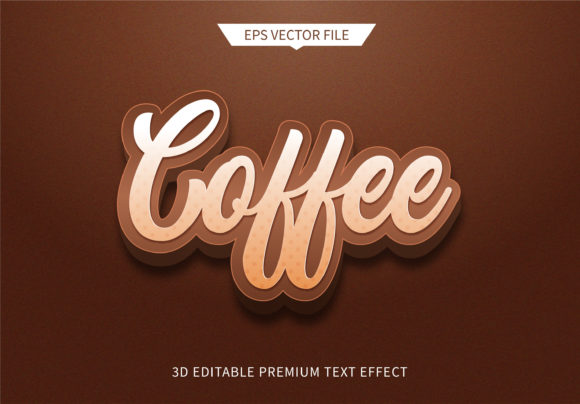
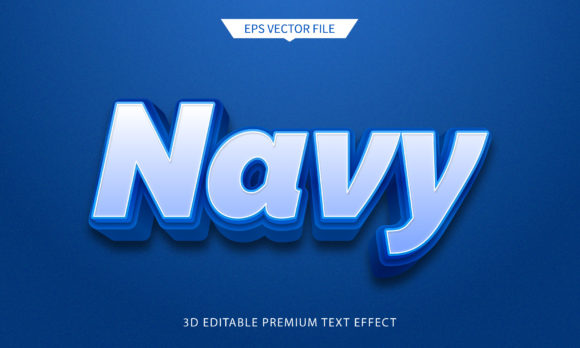
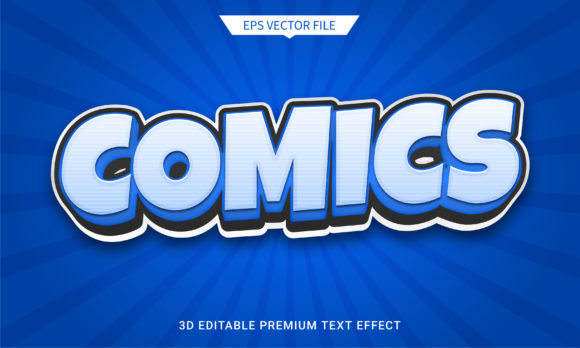
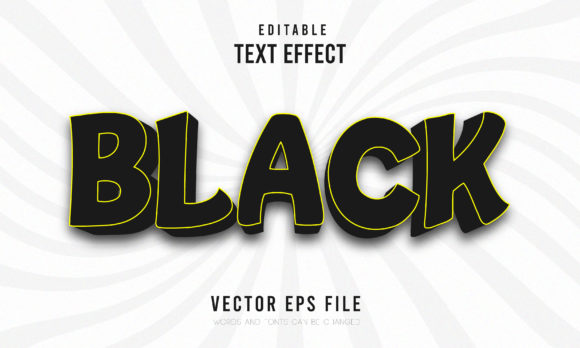
At its core, the Black Editable 3D Text Effect refers to a typographic style where black text is rendered with three-dimensional depth—shadows, extrusions, bevels, or layered planes—while remaining fully editable in software like Adobe Photoshop, Illustrator, After Effects, or various online design platforms. Unlike rasterized text that becomes a flat image once applied, editable effects preserve the text layer, allowing you to change the wording, font, size, or color without rebuilding the effect from scratch.
This combination of deep black coloring, dimensional rendering, and editability makes it a versatile asset for headlines, logos, social media graphics, video titles, and branding materials where both visual impact and workflow efficiency matter.
Why Designers and Marketers Are Interested
Several practical motivations drive interest in the Black Editable 3D Text Effect. Understanding these helps clarify whether the effect aligns with your own priorities.
- High contrast and readability: Black against a light or colored background offers maximum legibility, even at smaller sizes or on lower-resolution screens.
- Depth without distraction: The 3D rendering adds visual weight and hierarchy, drawing the eye without relying on bright colors or ornate embellishments.
- Time savings in production: Editable effects reduce rework. If a client changes a headline or a campaign tagline shifts, you update the text layer rather than recreating the entire graphic.
- Consistency across assets: Once an effect is saved as a style or template, applying it to multiple text elements ensures uniform depth, lighting, and shadow behavior across a project.
These factors make the effect particularly attractive for professionals who manage repeatable design systems or work under tight deadlines.
Benefits and Practical Strengths
When evaluating the Black Editable 3D Text Effect, several concrete advantages stand out.
Clean Integration with Brand Aesthetics
Black is a neutral anchor that pairs well with nearly any color palette. A black 3D text effect can sit comfortably on white, gray, dark, or vibrant backgrounds without clashing. This flexibility supports brand consistency across different media—print, web, video, and social—without requiring separate color treatments for each channel.
Scalability Across Resolutions
Because the effect is built as an editable style, it scales predictably. Whether you are producing a 1920x1080 video title, a 1080x1080 Instagram post, or a billboard mockup, the depth and shadow relationships remain proportional if the effect is constructed with vector-based extrusion or smart object layers. This scalability reduces the need to tweak settings for each output size.
Workflow Efficiency for Iterative Work
Design projects rarely follow a linear path. Editable effects allow you to experiment with different wording, spacing, or kerning without losing the dimensional styling. This is especially valuable in collaborative environments where copy changes arrive late in the production cycle. Instead of rebuilding the 3D look, you simply type the new text into the layer.
Tradeoffs and Considerations
No design solution is perfect, and the Black Editable 3D Text Effect carries specific limitations worth weighing before adoption.
File Size and Performance
Editable 3D text effects, particularly those using layered styles, bevels, or extrusion tools, can increase file size significantly. In Photoshop, for example, heavy layer styles with multiple shadows, gradients, and contours may slow down performance, especially on older machines or complex compositions. If you are working on a large project with many instances of the effect, this can become a practical bottleneck.
Rendering Consistency Across Software
The appearance of a black 3D text effect may vary between programs. A style created in Photoshop might not render identically in Illustrator, After Effects, or a web-based tool. Exporting to other platforms—such as inserting the effect into a video timeline or a presentation slide—can introduce unexpected shifts in shadow depth, bevel angle, or antialiasing. Testing across your intended outputs is essential.
Limited Suitability for Very Small Text
Three-dimensional effects add thickness and shadow that can reduce the legibility of small text. For body copy, captions, or any typography below approximately 18 points, the depth may obscure letterforms rather than enhance them. The effect is best reserved for headlines, titles, or hero text where there is sufficient space to appreciate the dimensionality.
Potential Overuse and Visual Fatigue
A black 3D text effect commands attention, but overusing it across multiple elements in a single composition can create visual clutter. When every headline uses the same heavy depth, the hierarchy flattens, and no single element stands out. Moderation and intentional placement matter more than the effect itself.
When the Black Editable 3D Text Effect Is a Strong Fit
Certain scenarios play directly to the strengths of this effect. If your project fits one or more of these descriptions, the Black Editable 3D Text Effect is worth serious consideration.
- Video titles and lower thirds: The high contrast and depth help text remain legible over moving or gradient-rich video backgrounds. Editable effects let you adjust the copy across multiple episodes or scenes without re-animating.
- Social media graphics with frequent updates: Brands that publish daily or weekly graphics with changing headlines benefit from an editable style that keeps visual identity consistent while allowing rapid text changes.
- E-commerce and promotional banners: Black 3D text on a light background creates a strong call-to-action that draws the eye without competing with product imagery.
- Presentation templates: For internal or client-facing decks, a consistent black 3D headline style adds polish while remaining easy to update as content evolves.
When Alternatives May Be Worth Considering
No single effect suits every context. In some situations, alternative approaches may deliver better results.
Flat Typography or Minimalist Treatments
If your brand identity leans toward flat design, minimalism, or a modern UI aesthetic, a black 3D text effect may feel visually heavy or dated. A clean sans-serif with subtle letter spacing or a thin outline can achieve contrast without the dimensionality. This is particularly relevant in mobile app interfaces or website body sections where flat design principles improve load times and responsiveness.
Colored or Gradient 3D Effects
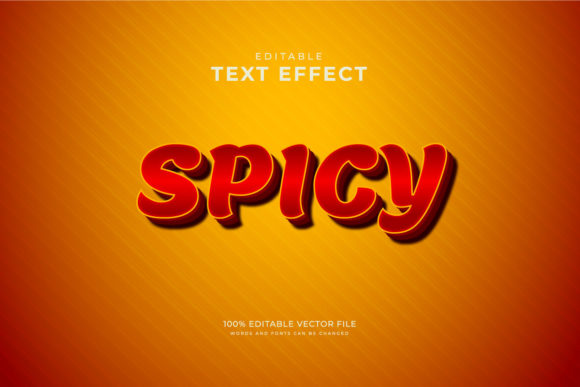
When the goal is to match a specific brand color or create emotional resonance through color psychology, black may limit your options. A colored 3D effect—whether deep blue, metallic gold, or vibrant red—can convey energy, luxury, or urgency more directly. The tradeoff is that colored effects are less neutral and may require careful background coordination.
Animated or Kinetic Typography
For motion projects where text moves, rotates, or transforms, a static 3D effect may not hold up well. Animated typography tools in After Effects or CSS allow you to build depth dynamically, with lighting and perspective shifting in real time. While this approach requires more setup and rendering time, it can produce a more immersive result for video intros or animated logos.
Hand-Lettered or Custom Typography
If your project demands artistic uniqueness, a pre-built black editable effect may feel generic. Commissioning custom hand-lettering or a bespoke typeface with built-in dimensionality offers exclusivity that no template can match. This route is more expensive and time-consuming but may be appropriate for high-profile branding or limited-edition campaigns.
Practical Decision-Making Insights
Deciding whether the Black Editable 3D Text Effect aligns with your goals requires asking a few focused questions.
How much will the text change over the project lifecycle? If you anticipate multiple revisions or a content refresh cycle, editable effects save significant time. If the text is fixed from the start, a rasterized 3D effect or single-use graphic may be simpler and lighter.
Where will the text appear? For digital screens and video, black 3D text typically performs well. For print, consider whether the depth effect will reproduce accurately, especially in black-and-white or grayscale outputs. Some dimensional effects rely on subtle color gradients that may not translate to print.
What is the technical skill level of the person maintaining the files? Editable effects require the original software and the knowledge to adjust layer styles, smart objects, or extrusion settings. If the files will be handed off to someone with limited design software experience, a simpler effect or a finalized raster version may be easier to manage.
Does the effect support your hierarchy? Use the black 3D text effect sparingly for primary headlines and consider lighter, flatter styles for secondary headings. This preserves visual weight where it matters most and prevents the composition from feeling overcrowded.
Aligning the Effect with Your Goals
The Black Editable 3D Text Effect is not a one-size-fits-all solution, but for many design and marketing scenarios, it offers a compelling balance of visual impact, contrast, and workflow efficiency. Its strength lies in situations where depth and legibility are both required, and where the text will undergo changes over time. The tradeoffs—file performance, cross-platform consistency, and limited suitability for small type—are manageable when anticipated and planned for.
To determine whether it is right for you, start with a small test project. Apply the effect to a headline, evaluate it in your expected output medium (web, video, print, or presentation), and assess how it holds up under real-world conditions. This direct experimentation, combined with the considerations outlined above, will give you a reliable basis for deciding whether the Black Editable 3D Text Effect fits your toolkit.