Mastering the Editable Right 3D Font Effect for Modern Design
Typography has always been a cornerstone of visual communication, but in recent years, the demand for dynamic, editable text treatments has grown significantly. Among the most compelling developments in this space is the Editable Right 3D Font Effect — a technique that allows designers, content creators, and business owners to apply a three-dimensional appearance to text while keeping the content fully editable and aligned to the right. This isn't just a static style; it's a functional approach that merges visual depth with practical flexibility. Whether you're building a brand identity, designing a presentation, or crafting social media assets, understanding how to leverage this effect can elevate your work without sacrificing control.
What Is the Editable Right 3D Font Effect?
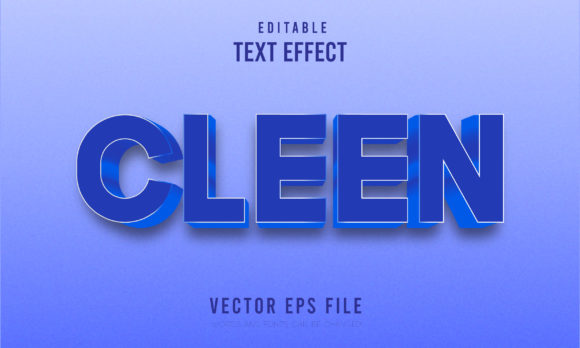
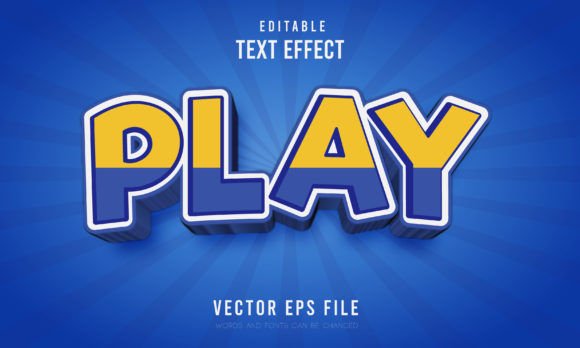
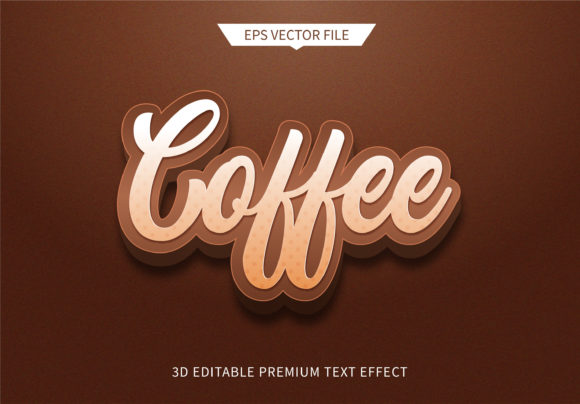
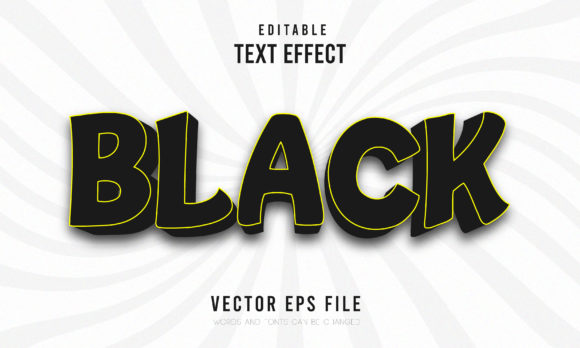
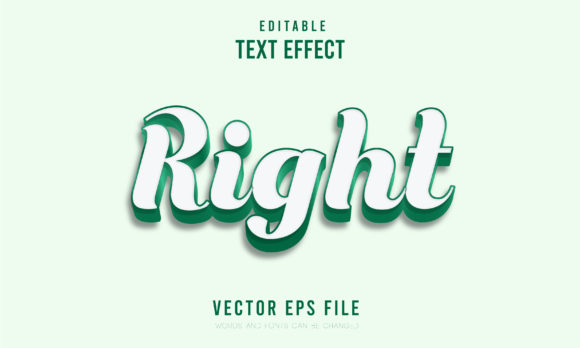
At its core, the Editable Right 3D Font Effect refers to a typographic styling method where text appears to have depth — often through shadows, extrusion, or layered offsets — while remaining fully editable in design software or web environments. The "right" component typically indicates that the effect is applied with the depth or perspective oriented toward the right side, creating a directional three-dimensional illusion. Unlike pre-rendered text graphics, editable versions retain their text properties, meaning you can change the wording, font, size, or color without rebuilding the effect from scratch.
This approach is commonly implemented in tools like Adobe Photoshop, Illustrator, Canva, or even CSS for web design. The editable nature is crucial for professionals who need to update content frequently without relying on a designer for every revision. The Editable Right 3D Font Effect thus represents a bridge between high-impact visual styling and real-world workflow efficiency.
How It Differs from Static 3D Text
Traditional 3D text is often rendered as a raster image or a vector outline that cannot be altered after creation. If you need to change a single word, you must recreate the entire graphic. The editable variant keeps the text layer active, allowing modifications to propagate through the effect automatically. This difference might seem subtle, but for anyone managing content across multiple platforms, it is transformative. The Editable Right 3D Font Effect preserves the ability to tweak messaging, adjust kerning, or switch languages while maintaining the visual depth and right-aligned perspective.
Key Features and Characteristics
To fully appreciate what the Editable Right 3D Font Effect offers, it helps to break down its defining attributes. These features set it apart from other typographic treatments and explain why it has gained traction among diverse user groups.
- Directional depth: The 3D effect extends toward the right, creating a sense of forward motion or spatial layering that guides the viewer's eye naturally across the design.
- Full editability: Text remains live — you can change characters, fonts, colors, and effects without regenerating the entire asset. This is especially valuable for A/B testing or iterative design.
- Layer-based construction: Typically built using stacked text layers, offset shadows, or bevel-and-emboss settings, the effect relies on non-destructive editing principles.
- Scalability: Because the text is vector-based or parameter-driven, scaling does not degrade quality. Whether used on a business card or a billboard, the effect remains crisp.
- Compatibility: Many implementations work across major design platforms and even in CSS, making the effect accessible to web developers who want to bring 3D typography to the browser.
These characteristics make the Editable Right 3D Font Effect a versatile tool in any designer's toolkit. It is not merely a decorative flourish but a functional asset that adapts to changing requirements.
Real-World Applications and Use Cases
The practical value of this effect becomes clear when you consider the scenarios where it truly shines. Below are several examples that demonstrate its versatility across different industries and media.
Brand Identity and Logo Typography
Many businesses want their logo to convey strength, innovation, or forward momentum. A right-oriented 3D effect can suggest progress and direction. Because the Editable Right 3D Font Effect remains editable, branding teams can test variations of a tagline or company name without commissioning new mockups each time. This accelerates the creative process and reduces costs.
Social Media Graphics and Content Marketing
Social media managers often need to produce multiple versions of an image for different platforms or audiences. Using editable 3D text means they can update promotional messages, event dates, or calls-to-action in seconds. The visual impact draws attention in crowded feeds, while the editability keeps their workflow fast and flexible. The Editable Right 3D Font Effect ensures that depth and perspective remain intact even after multiple revisions.
Presentations and Corporate Communications
In a presentation, slide titles or key quotes benefit from typographic emphasis. A right-aligned 3D effect can break up monotonous slide layouts and add a professional polish. Presenters who use templates with this effect can customize text on the fly, adapting to audience feedback or updated data without scrambling for design support. The Editable Right 3D Font Effect turns static slides into dynamic storytelling tools.
Web Design and User Interfaces
With CSS-based implementations, the Editable Right 3D Font Effect can be applied to headings, navigation items, or callout boxes on a website. Developers can use text-shadow layers or 3D transforms to replicate the effect in the browser. Because the text remains semantic and editable, content managers can update site copy without touching the code. This is a game-changer for websites that require frequent updates, such as news portals, e-commerce stores, or blogs.
Who Benefits Most from This Effect?
While anyone can appreciate the visual appeal of 3D typography, certain groups gain disproportionate value from its editable and right-aligned nature. Understanding your own needs can help you decide whether to invest time in mastering this technique.
- Marketing professionals who produce high volumes of content and need to iterate rapidly will find the editability indispensable.
- Small business owners who handle their own design work can maintain a polished brand presence without hiring external help for every update.
- UI/UX designers who want to add subtle depth to interfaces without compromising accessibility or load times can use CSS variants of the effect.
- Educators and course creators who develop slide decks or instructional materials can make key terms stand out with 3D styling while keeping content editable for future semesters.
- Freelance designers who deliver templates to clients benefit because clients can customize the text themselves, reducing revision requests.
If you fall into any of these categories, the Editable Right 3D Font Effect is worth exploring. It aligns with modern demands for speed, flexibility, and visual impact.
Strengths and Advantages
Why choose this effect over other typographic treatments? The strengths are rooted in its combination of aesthetics and practicality. First, the directional depth draws the eye naturally, improving readability and hierarchy. Second, because the text is editable, you avoid the common pitfall of "design lock-in" where a single change forces a complete redesign. Third, the effect works across a wide range of contexts — from print to digital to motion graphics — making it a reusable skill.
Another often-overlooked strength is the psychological impact of right-aligned depth. In cultures where reading flows left to right, a right-extending 3D effect can feel progressive and forward-looking. This subconscious cue can reinforce brand messaging around innovation and growth. The Editable Right 3D Font Effect thus serves both form and function.
Considerations and Limitations
No design technique is without trade-offs, and it's important to approach the Editable Right 3D Font Effect with clear eyes. One limitation is that not all design software handles editable 3D text well. Some programs rasterize effects when exporting, which strips away editability. Always verify that your chosen tool preserves the live text layer through the export process.
Accessibility is another consideration. Heavy 3D effects can reduce contrast or introduce visual noise that makes text harder to read for users with visual impairments. If you're using the effect on a website, ensure that color contrast ratios meet WCAG guidelines and that the effect is not applied to critical navigation elements. The Editable Right 3D Font Effect should enhance readability, not hinder it.
Additionally, the effect can sometimes appear overly stylized for certain contexts. A legal document, a medical report, or a government website may not benefit from three-dimensional typography. Knowing when not to use it is as important as knowing how to apply it. Use the effect strategically — for titles, headers, or emphasis — rather than across entire body text blocks.
How to Evaluate Suitability for Your Project
When deciding whether the Editable Right 3D Font Effect is right for a specific project, ask yourself a few key questions. First, will the text need to change frequently? If yes, editability is a major advantage. Second, does the design context support a 3D treatment? A minimalist brand might prefer flat typography, while a tech or entertainment brand could embrace the depth. Third, is your team comfortable maintaining the effect across updates? If you're using a template, make sure the original designer documented how the effect was built.
For those who want to test the waters, start with a simple project — perhaps a social media graphic or a single presentation slide. Apply the effect to a short phrase and experiment with color, offset distance, and shading. Notice how changes to the text propagate through the effect. This hands-on trial will give you a feel for the workflow before committing to larger applications. The Editable Right 3D Font Effect rewards experimentation, so don't hesitate to iterate.
Practical Tips for Getting Started
If you're ready to incorporate the Editable Right 3D Font Effect into your work, here are a few actionable suggestions. In Photoshop or Illustrator, use multiple text layers with increasing offset toward the right, and apply a gradient or color change to each layer to simulate depth. In Canva, look for 3D text effects within the text tool and adjust the direction setting to "right." For web developers, a stack of CSS text-shadow properties can mimic the extrusion effect while keeping the HTML semantic.
Remember that subtlety often yields the best results. A 3D effect that is too aggressive can overwhelm the design. Start with a modest offset and build up only as needed. You can always intensify the depth later, but scaling back a heavy effect can be tedious. The Editable Right 3D Font Effect is most effective when it supports the message rather than competes with it.
Final Thoughts
The Editable Right 3D Font Effect represents a meaningful evolution in typographic design. It combines the visual richness of three-dimensional text with the practical demands of modern content workflows. By keeping text editable and directing depth to the right, this technique offers a rare balance of impact and flexibility. Whether you're a seasoned designer or a business owner creating your own materials, understanding this effect can expand your creative options and streamline your production process.
As with any tool, the key lies in thoughtful application. Use it where it adds value, avoid it where it creates distraction, and always prioritize the reader's experience. When applied well, the Editable Right 3D Font Effect does more than make text look good — it makes your work more efficient, adaptable, and engaging.