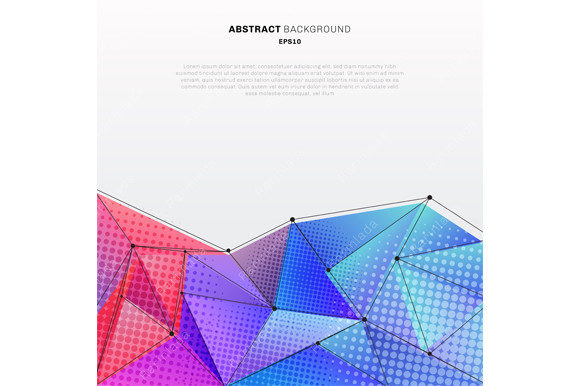
Abstract 3D Low Polygon Structure: A Practical Guide for Modern Workflows
In the evolving landscape of digital design and creative production, the concept of Abstract 3D Low Polygon Structure has emerged as a powerful tool for professionals across various industries. This approach combines the visual appeal of 3D modeling with the efficiency of low-polygon geometry, making it ideal for projects that require both aesthetic quality and performance optimization.
Understanding how to effectively use Abstract 3D Low Polygon Structure can significantly enhance your workflow, whether you're working on a game, a website, a marketing campaign, or an educational resource. It’s not just about creating models—it's about integrating them into a broader process that aligns with your goals and constraints.
What Is Abstract 3D Low Polygon Structure?
Abstract 3D Low Polygon Structure refers to the creation of three-dimensional models using minimal polygonal geometry while maintaining a stylized or conceptual form. Unlike high-polygon models that prioritize detail and realism, low-polygon structures focus on simplicity, clarity, and efficiency. This makes them particularly useful in environments where performance is critical, such as mobile applications, real-time simulations, or web-based interactive experiences.
The "abstract" aspect of this structure allows for creative freedom, enabling designers to represent complex ideas through simplified shapes and forms. This abstraction can be used to communicate concepts quickly, reduce computational load, and maintain visual consistency across different platforms and devices.
Where Does It Fit in the Broader Process?
Abstract 3D Low Polygon Structure is most effective when integrated early in the planning phase of a project. It serves as a foundational element that can guide the development of more detailed assets later on. For example, in game design, artists might start with low-polygon models to establish layout, composition, and overall visual direction before moving to high-detail versions.
This structure also plays a role during the execution phase. By using low-polygon models, teams can test ideas faster, iterate more efficiently, and reduce the time spent on rendering and processing. In marketing, for instance, abstract 3D models can be used to create quick prototypes for client presentations or social media content, allowing for rapid feedback and adjustments.
Even after a project is complete, Abstract 3D Low Polygon Structure can be valuable for maintenance, updates, or repurposing existing assets. Its lightweight nature ensures that these models remain functional and adaptable over time.
How to Use It in Different Scenarios
Whether you're a designer, developer, marketer, or educator, there are numerous ways to apply Abstract 3D Low Polygon Structure in your daily work. Here are some practical examples:
- Before a Project: Use low-polygon models to brainstorm, sketch out concepts, or create wireframes that define the scope and direction of a project.
- During Development: Implement these structures to test interactions, simulate environments, or optimize performance without the overhead of high-detail models.
- After Implementation: Repurpose or update existing assets by simplifying complex models, ensuring they remain compatible with new tools or platforms.
For educators, abstract 3D models can help illustrate complex topics in science, engineering, or art by breaking down intricate systems into digestible, visual components. For entrepreneurs, they can serve as cost-effective assets for prototyping products or presenting ideas to investors.
Integration with Other Tools and Methods
Abstract 3D Low Polygon Structure works best when combined with other design and development tools. It can be exported from 3D modeling software like Blender or Maya and imported into game engines, animation platforms, or VR environments. This compatibility allows for seamless integration into existing workflows.
When paired with motion graphics software, low-polygon models can be animated to create dynamic visuals for presentations or advertisements. They also pair well with UI/UX design tools, where their simplicity supports clean, modern interfaces that are easy to navigate and visually consistent.
Collaboration is another key area where this structure shines. Because low-polygon models are smaller in file size, they’re easier to share, review, and modify—making them ideal for team-based projects where multiple stakeholders are involved.
Practical Implementation Tips
To make the most of Abstract 3D Low Polygon Structure, consider the following tips:
- Define Your Goals: Understand what you want to achieve with the model. Is it for visualization, interaction, or performance? This will guide your design choices.
- Keep It Simple: Focus on the essential elements that convey the intended message or function. Avoid unnecessary details that could complicate the model or increase file size.
- Optimize for Compatibility: Ensure the model works across different platforms and tools. Test it in the environments where it will be used to avoid technical issues.
- Iterate Frequently: Use low-polygon models to experiment and refine your ideas before committing to high-detail versions. This saves time and resources in the long run.
- Document Your Process: Keep track of how and why certain decisions were made. This helps with future revisions and ensures consistency across projects.
By following these steps, you can streamline your workflow and ensure that your models are both effective and efficient.
Factors to Consider for Long-Term Use
When incorporating Abstract 3D Low Polygon Structure into your routine, it's important to think about long-term implications. Factors such as organization, scalability, and adaptability should be part of your planning.
Organizing your models in a structured way—whether through naming conventions, folder systems, or version control—ensures that you can easily locate and reuse assets as needed. Scalability becomes crucial when expanding projects or adapting models for new purposes.
Consistency is also key. Maintaining a uniform style across all models helps reinforce brand identity or thematic coherence in larger projects. Quality control measures, such as regular reviews and testing, ensure that your models continue to meet your standards over time.
Finally, consider how these models will evolve with new technologies and trends. Staying informed about industry changes can help you adjust your approach and keep your work relevant and competitive.
Conclusion: Embracing Efficiency and Creativity
Abstract 3D Low Polygon Structure offers a unique blend of efficiency and creativity that can benefit a wide range of professionals. Whether you're designing for digital media, developing interactive experiences, or teaching complex concepts, this approach provides a flexible and practical solution.
By understanding its role in the broader workflow, integrating it with other tools, and applying it thoughtfully, you can unlock new possibilities in your work. The key is to balance simplicity with purpose, ensuring that every model serves a clear function while contributing to the overall success of your project.