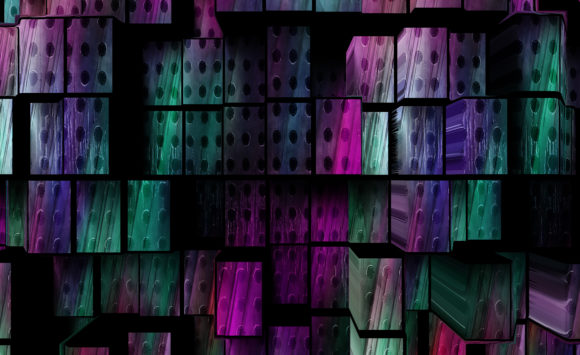
Abstract 3D Cube Texture Backgrounds
Abstract 3D cube texture backgrounds are a visually striking design element that adds depth, complexity, and modern flair to digital and physical spaces. These backgrounds use geometric patterns and layered textures to create an illusion of three-dimensionality, making them ideal for a wide range of creative and professional applications. Whether you're working on a website, presentation, or branding project, understanding how to effectively use these backgrounds can elevate your work and make it stand out.
What Are Abstract 3D Cube Texture Backgrounds?
Abstract 3D cube texture backgrounds are digital or printed designs that feature repeating or scattered cube shapes with textured surfaces. The cubes can be simple or highly detailed, and their arrangement often creates a sense of movement or spatial depth. These backgrounds are not limited to a single color scheme or style—they can be minimalist, vibrant, monochrome, or even surreal, depending on the designer’s intent.
The appeal of these backgrounds lies in their ability to add visual interest without overwhelming the viewer. They work well as backdrops for text, images, or other design elements, providing a dynamic yet cohesive look. Because they are abstract, they allow for flexibility in how they’re used and interpreted.
Key Characteristics and Strengths
One of the most notable qualities of abstract 3D cube texture backgrounds is their versatility. They can be scaled, colored, or modified to fit different design needs. Their geometric nature makes them easy to integrate into modern aesthetics, while their abstract form allows for creative freedom.
Another strength is their ability to enhance user experience. In digital environments, such as websites or apps, these backgrounds can guide attention, create visual hierarchy, or simply add a touch of sophistication. When used thoughtfully, they can improve engagement without distracting from the main content.
From a technical standpoint, these backgrounds are often lightweight and optimized for performance, making them suitable for both web and print projects. They also offer a unique way to differentiate a brand or personal project from competitors who may rely on simpler or more traditional backgrounds.
Practical Applications Across Industries
Abstract 3D cube texture backgrounds have found a place in many industries. In the tech sector, they’re commonly used in app interfaces, software dashboards, and virtual reality environments to create immersive experiences. For example, a productivity app might use a subtle 3D cube background to give users a sense of depth and organization without cluttering the screen.
In marketing and advertising, these backgrounds can be used to create eye-catching visuals for social media posts, banners, or email campaigns. A brand launching a new product might use a bold 3D cube texture to convey innovation and energy. Similarly, a website redesign could incorporate this background to reflect a forward-thinking brand identity.
For educators and students, these backgrounds can be useful in presentations or learning materials. A teacher creating a PowerPoint on geometry or architecture might use a 3D cube background to illustrate spatial concepts. Students working on digital art projects can experiment with these textures to develop their design skills and creativity.
Benefits for Different Users
Professionals across various fields can benefit from using abstract 3D cube texture backgrounds. For entrepreneurs, these backgrounds can help establish a strong visual identity for a business. A startup launching a tech-based service might use a clean, modern 3D cube design to communicate professionalism and innovation.
Freelancers and designers can leverage these backgrounds to showcase their work in portfolios or client proposals. A graphic designer might use a custom 3D cube background to highlight their creative process or demonstrate their ability to handle complex design tasks. This can set them apart from others in a competitive market.
Business owners looking to update their online presence can use these backgrounds to refresh their website or social media profiles. A small boutique, for instance, might use a soft 3D cube texture to create a welcoming and stylish atmosphere for customers browsing their online store.
How to Choose and Use Abstract 3D Cube Texture Backgrounds
When selecting an abstract 3D cube texture background, consider the purpose of the project and the audience. A high-energy, colorful background might be perfect for a music festival promotion, while a muted, minimalist version could work better for a corporate report or academic paper.
It’s also important to ensure the background doesn’t overpower the main content. Test different opacity levels, colors, and placements to find the right balance. Tools like Adobe Photoshop, Illustrator, or online design platforms can help customize and apply these backgrounds effectively.
For those new to this style, start with pre-made templates or stock assets. Many design marketplaces offer ready-to-use 3D cube backgrounds that can be easily adapted for specific needs. As experience grows, experimenting with custom designs can lead to more unique and impactful results.
Final Thoughts
Abstract 3D cube texture backgrounds are more than just a design trend—they’re a powerful tool for enhancing visual communication and user experience. Whether you're a designer, marketer, educator, or business owner, incorporating these backgrounds can add a fresh, modern dimension to your work. By understanding their characteristics, applications, and benefits, you can make informed decisions that align with your goals and audience needs.
As with any design element, the key is to use abstract 3D cube texture backgrounds intentionally. When done right, they can transform a simple layout into something memorable and engaging, helping you stand out in a crowded digital landscape.