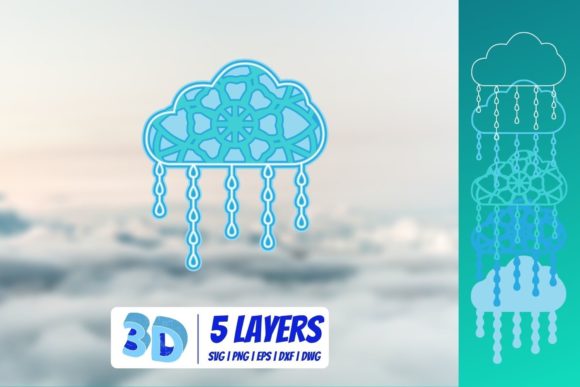
3D Clouds SVG: Creative Possibilities
3D Clouds SVG offers a unique way to bring dynamic, layered visual elements into digital projects. These cloud shapes, rendered in vector format, allow for scalability, clarity, and creative flexibility across various platforms. Whether you're a designer, developer, or content creator, 3D Clouds SVG provides an accessible tool for adding depth and dimension to your work.
Unlike flat graphics, 3D Clouds SVG introduces a sense of movement and realism. This makes them ideal for backgrounds, illustrations, and interactive elements. Their adaptability means they can be used in web design, app interfaces, print materials, and even animations. The key is understanding how to leverage their structure for different purposes.
What Makes 3D Clouds SVG Unique
3D Clouds SVG combines the precision of vector graphics with the illusion of three-dimensional form. Each cloud is composed of multiple layers, often using gradients, opacity, and shape variations to simulate depth. This approach ensures that the clouds look natural while maintaining the benefits of SVG format—such as small file size and resolution independence.
The versatility of 3D Clouds SVG lies in its ability to be customized. You can adjust colors, sizes, and layering to match specific design needs. This makes them suitable for both subtle background elements and bold focal points in a composition.
Creative Applications of 3D Clouds SVG
Designers often use 3D Clouds SVG as background elements to add visual interest without overwhelming the user. In web design, they can create a soft, atmospheric feel that enhances the overall aesthetic. For example, a landing page might use 3D Clouds SVG to frame a call-to-action, drawing attention while maintaining a clean layout.
Marketers and content creators can incorporate 3D Clouds SVG into social media posts, email newsletters, or presentations. These graphics provide a modern, professional look that stands out in a crowded digital space. They also work well in mobile interfaces, where simplicity and clarity are essential.
For educators and trainers, 3D Clouds SVG can serve as visual aids in presentations or e-learning modules. They help break up text-heavy slides and make complex ideas more digestible. The clouds can represent abstract concepts like ideas, possibilities, or growth, depending on the context.
Adapting 3D Clouds SVG for Different Audiences
Understanding your audience is crucial when using 3D Clouds SVG. A tech startup might prefer a minimalist, sleek design, while a children's educational platform could benefit from more colorful, playful variations. The same graphic can be adjusted to fit different brand identities and user expectations.
Small business owners can use 3D Clouds SVG to enhance their website or marketing materials. For instance, a bakery might use soft, pastel-colored clouds in their logo or social media banners to evoke a warm, inviting atmosphere. Similarly, a tech company might use darker, more structured clouds to reflect innovation and professionalism.
Freelancers and independent creators can experiment with 3D Clouds SVG to develop unique visual styles. By combining them with other design elements—like icons, text, or patterns—they can create cohesive branding or artwork that sets them apart from competitors.
Practical Tips for Using 3D Clouds SVG
To get the most out of 3D Clouds SVG, start by selecting a high-quality source. Look for vectors that are well-structured and easy to edit. Many online marketplaces offer customizable SVG files that can be downloaded and modified using tools like Adobe Illustrator or Figma.
When integrating 3D Clouds SVG into a project, consider the scale and placement. Overuse can lead to clutter, so it's best to use them strategically. For example, a single cloud in the background of a homepage can add depth without distracting the viewer.
Testing the graphic across different devices and screen sizes is also important. Since SVGs are scalable, they should maintain quality at any size. However, performance can vary depending on the complexity of the design. Keep file sizes manageable to ensure fast loading times, especially for web applications.
Exploring Variations and Styles
3D Clouds SVG can be adapted to suit different artistic styles. A retro aesthetic might use bold outlines and limited color palettes, while a modern, minimalist approach could focus on subtle gradients and negative space. Experimenting with these variations helps you find the right tone for your project.
Some designers combine 3D Clouds SVG with other vector elements, such as stars, waves, or geometric shapes, to create more intricate compositions. This allows for greater storytelling and visual engagement. For example, a travel blog might use clouds alongside sun rays or mountains to evoke a sense of adventure.
Another approach is to animate 3D Clouds SVG for dynamic effects. Simple movements, like slow drifting or fading in and out, can add life to static designs. This is particularly effective in digital signage, interactive websites, or video content where motion enhances the viewer experience.
Conclusion: Embracing 3D Clouds SVG for Creative Growth
3D Clouds SVG is more than just a design element—it’s a tool for creative expression and practical application. By understanding its capabilities and adapting it to different contexts, you can elevate your work and connect more effectively with your audience.
Whether you’re looking to enhance a website, create engaging content, or develop a unique brand identity, 3D Clouds SVG offers endless possibilities. With thoughtful implementation and experimentation, these graphics can become a valuable part of your creative toolkit.