Isometric Chair 3D Render Pack 235: A Comprehensive Overview
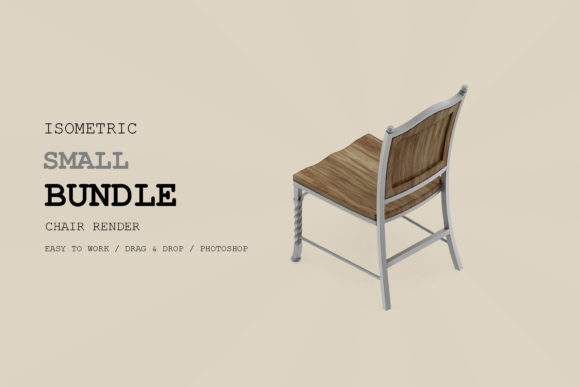
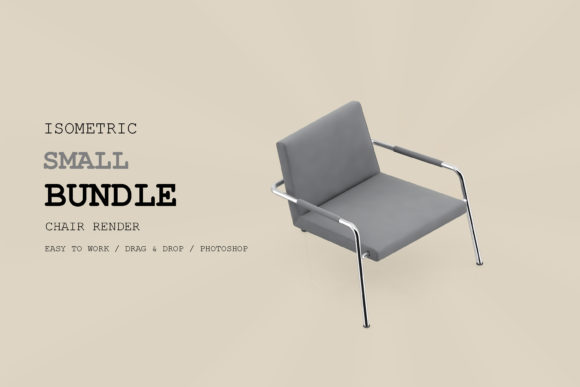
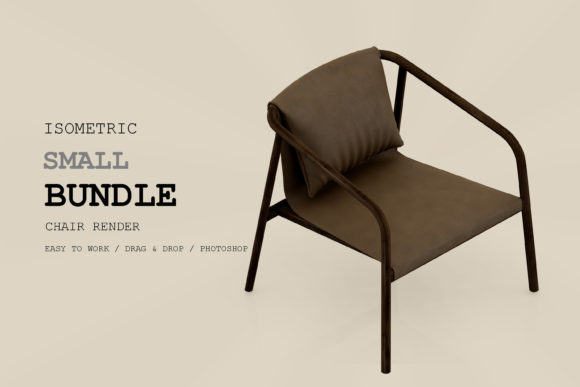
The Isometric Chair 3D Render Pack 235 is a specialized digital asset designed for professionals in design, architecture, and product visualization. This collection offers detailed, isometric-style 3D renderings of chairs, providing a unique perspective that blends technical precision with artistic clarity. Unlike traditional 3D models, which often prioritize realism or stylized aesthetics, the Isometric Chair 3D Render Pack 235 focuses on geometric accuracy and spatial representation, making it ideal for conceptual planning, presentation, and documentation.
What Makes Isometric Chair 3D Render Pack 235 Distinct?
One of the key features of the Isometric Chair 3D Render Pack 235 is its consistent visual style. Each chair model is rendered in an isometric projection, which eliminates the distortion found in one-point perspective views. This approach allows for clear, unambiguous representation of form, structure, and proportions—critical when communicating design ideas to stakeholders or clients.
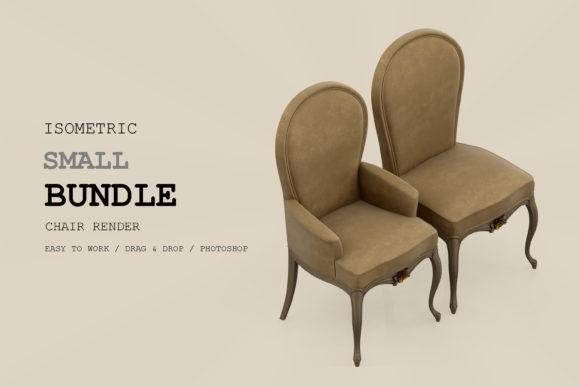
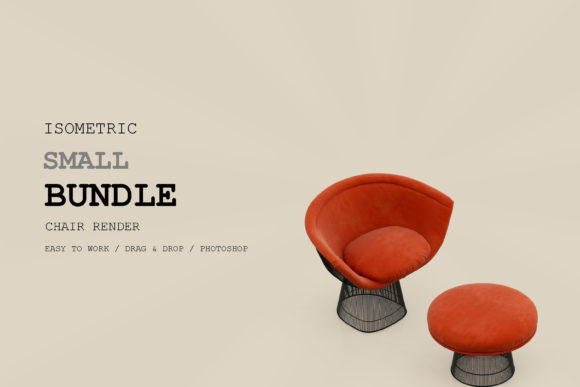
The pack includes a variety of chair designs, ranging from modern minimalist styles to more traditional forms. Each model is carefully constructed to maintain accurate measurements and structural integrity, ensuring that users can rely on the visuals for both aesthetic and functional purposes. The files are typically available in multiple formats, such as OBJ, FBX, and STL, offering flexibility for integration into different software environments.
Another distinguishing factor is the level of detail included in each rendering. While some 3D assets may prioritize speed over depth, the Isometric Chair 3D Render Pack 235 balances quality with usability. Textures, materials, and lighting are all carefully considered to enhance visual appeal without compromising performance during rendering or animation processes.
Comparing Isometric Chair 3D Render Pack 235 with Similar Options
When evaluating 3D render packs, it’s important to consider how they align with specific project needs. The Isometric Chair 3D Render Pack 235 stands out in scenarios where clarity and consistency are paramount. For example, compared to photorealistic 3D models, which often require extensive post-processing and high computational resources, isometric renders offer a more streamlined workflow for certain applications.
Some alternatives may focus on highly detailed, realistic representations, which can be beneficial for marketing or client presentations. However, these models may not be as effective for technical documentation or concept sketches. In contrast, the Isometric Chair 3D Render Pack 235 provides a middle ground—offering enough visual fidelity to communicate design intent while maintaining the simplicity and efficiency of isometric projection.
Additionally, compared to 2D vector illustrations, isometric 3D renderings provide a more dynamic and immersive view of the subject. This makes them particularly useful for designers who need to visualize spatial relationships or demonstrate how a chair might fit within a larger environment.
Strengths and Tradeoffs of Isometric Chair 3D Render Pack 235
The primary strength of the Isometric Chair 3D Render Pack 235 lies in its versatility. It can be used across a range of industries, including interior design, product development, and architectural visualization. Its clean, structured visuals make it well-suited for educational materials, technical manuals, and even board game or app interface design.
However, there are tradeoffs to consider. The isometric style, while effective for certain purposes, may not be appropriate for all design contexts. For instance, if the goal is to showcase a chair’s texture, color, or material properties in a lifelike manner, the Isometric Chair 3D Render Pack 235 may fall short compared to other render types. Users should also be aware that the pack may not include animated versions or interactive elements, which could limit its use in certain digital platforms.
Another consideration is the learning curve associated with integrating isometric 3D models into existing workflows. While many design tools support 3D file formats, users may need to adjust their processes to accommodate the unique characteristics of isometric projections. This can involve additional steps in modeling, lighting, and camera setup to ensure the final output meets expectations.
Best Fit Situations for Isometric Chair 3D Render Pack 235
The Isometric Chair 3D Render Pack 235 is particularly well-suited for projects that require clear, structured visual communication. For example, in architectural visualization, it can help illustrate how different chair designs might fit into a space without the complexity of full photorealism. In product design, it can serve as a quick reference for prototyping or concept development.
For educators or content creators, the pack offers a valuable resource for teaching design principles, spatial awareness, and 3D modeling techniques. Its consistent style ensures that students or viewers can focus on the core concepts being presented rather than being distracted by stylistic variations.
In the context of user interface (UI) or user experience (UX) design, the Isometric Chair 3D Render Pack 235 can be used to create mockups or visual guides that emphasize layout and functionality. This is especially useful when designing digital interfaces that incorporate physical objects or furniture elements.
When to Consider Alternatives to Isometric Chair 3D Render Pack 235
While the Isometric Chair 3D Render Pack 235 has many advantages, there are situations where alternative options may be more appropriate. For instance, if the primary goal is to create a visually striking marketing campaign, a photorealistic 3D render would likely be more effective. These models can capture subtle details like lighting, shadows, and surface textures, which are essential for creating an engaging visual experience.
Similarly, if the project requires a high degree of customization or unique design elements, a generic 3D render pack may not provide the necessary flexibility. In such cases, working with a 3D artist or using a more adaptable modeling tool might be a better choice.
Users should also consider the scale of their project. For large-scale environments or complex scenes, the Isometric Chair 3D Render Pack 235 may not be sufficient on its own. Additional assets or more detailed models may be required to achieve the desired outcome.
Practical Examples and Use Cases
Consider a scenario where an interior designer is creating a mood board for a client. The Isometric Chair 3D Render Pack 235 could be used to quickly visualize different seating options within a room layout. The clean, structured visuals allow the designer to experiment with placement and scale without the need for time-consuming photo editing or real-world photography.
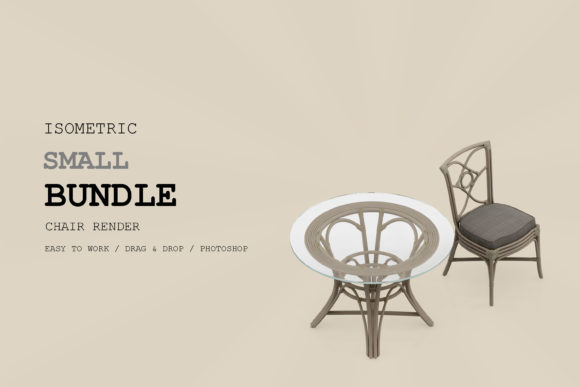
In another example, a product development team might use the pack to generate early-stage prototypes. By placing isometric chair models in a virtual space, they can assess how the design interacts with other elements, such as tables, flooring, or lighting. This helps identify potential issues before moving to physical production.
For educational purposes, a design instructor might use the Isometric Chair 3D Render Pack 235 to teach students about spatial relationships and composition. The uniform style of the models makes it easier to focus on fundamental design principles, such as balance, proportion, and hierarchy.
Making an Informed Decision
When deciding whether to use the Isometric Chair 3D Render Pack 235, it’s important to evaluate the specific requirements of the project. Consider factors such as the intended audience, the level of detail needed, and the tools available for implementation. If clarity, consistency, and efficiency are priorities, this pack is likely a strong option.
However, if the project demands a higher degree of realism, customization, or interactivity, alternatives may be more suitable. By understanding the strengths and limitations of the Isometric Chair 3D Render Pack 235, users can make a more informed decision that aligns with their goals and resources.