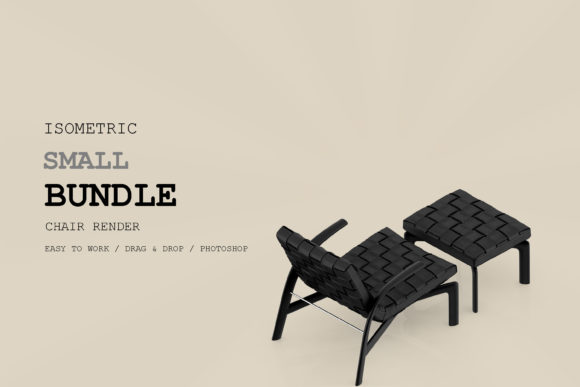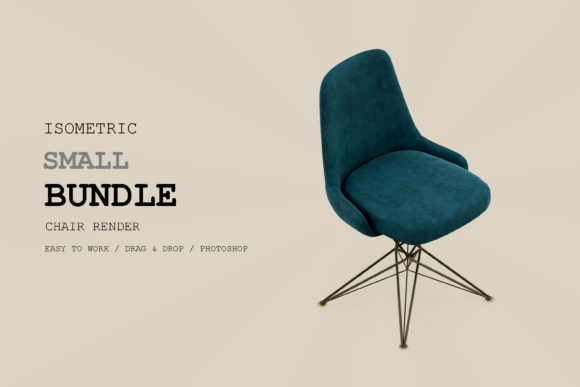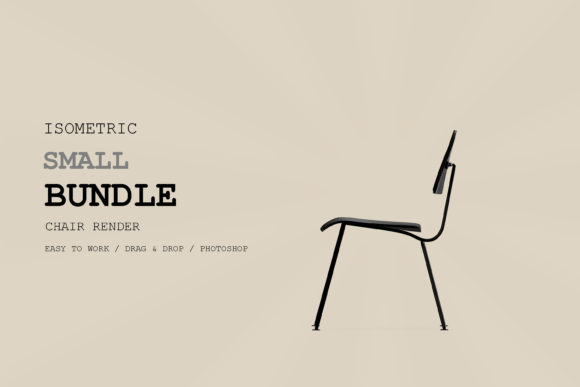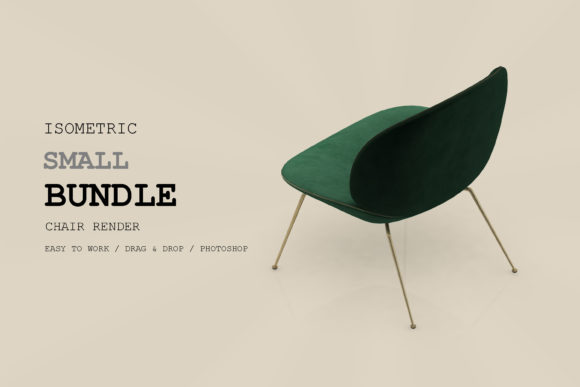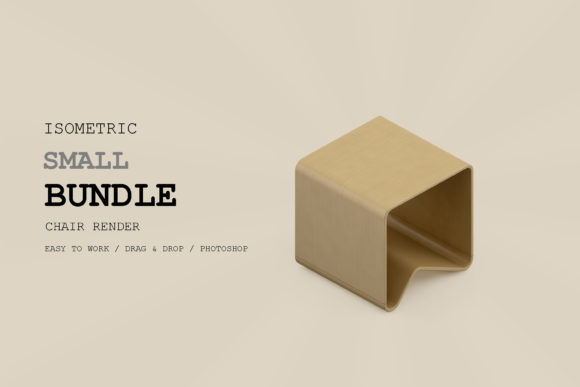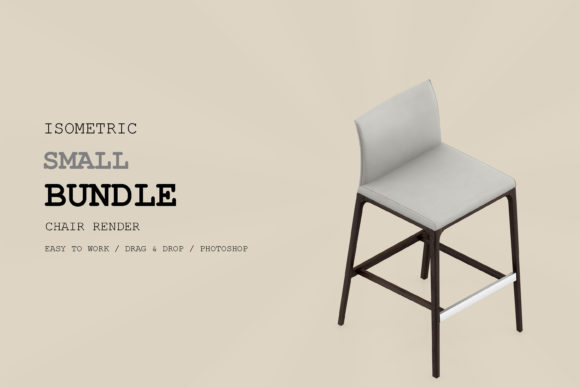
Isometric Chair 3D Render Pack 230: A Tool for Streamlined Design and Visualization
The Isometric Chair 3D Render Pack 230 is a specialized digital asset designed to enhance visual storytelling, product design, and creative workflows. It offers a collection of high-quality isometric renderings of chairs, optimized for use in graphic design, marketing materials, architectural visualization, and digital content creation. This pack fits naturally into the broader process of planning, designing, and executing visual projects where clarity, consistency, and efficiency are essential.
Whether you're an interior designer, a product marketer, or a creative professional working on a presentation, the Isometric Chair 3D Render Pack 230 provides ready-to-use assets that can save time and improve the quality of your output. Its integration into existing workflows can be seamless, especially when paired with design tools like Adobe Illustrator, Blender, or Figma.
How the Isometric Chair 3D Render Pack 230 Fits Into Workflows
The value of the Isometric Chair 3D Render Pack 230 lies in its ability to support various stages of a project. Before starting a design, it can serve as a reference for proportions, styles, and spatial relationships. During the development phase, it can be used to create mockups, concept sketches, or interactive presentations. After the project is complete, it can help in documentation, client reviews, or promotional material creation.
For example, a furniture brand launching a new line might use the Isometric Chair 3D Render Pack 230 to visualize how different chair models would look in a showroom setting. This allows for quick iterations and adjustments before physical prototypes are built. Similarly, a digital marketer creating a social media campaign could use these renders to illustrate product features without needing to source real photos or commission custom illustrations.
In educational or training contexts, the pack can be used to teach design principles, spatial awareness, or visualization techniques. It provides a practical resource for students and professionals looking to build their portfolio or demonstrate concepts clearly and effectively.
Integration With Other Tools and Resources
The Isometric Chair 3D Render Pack 230 is most effective when integrated with other design and production tools. Its compatibility with common file formats such as PNG, JPEG, and SVG makes it easy to incorporate into a wide range of projects. For instance, a UX designer working on a website layout might use these renders to show how a chair would fit into a room design or a virtual space.
When combined with 3D modeling software like Blender or SketchUp, the pack can act as a base for more complex animations or interactive experiences. It can also be layered with textures, lighting effects, or background elements to create more dynamic compositions. This flexibility ensures that the pack remains useful across different platforms and project types.
Collaboration is another area where the Isometric Chair 3D Render Pack 230 shines. Teams working on branding, advertising, or product development can share these assets to maintain a consistent visual language. This is particularly valuable when multiple stakeholders are involved, as it reduces the need for repeated revisions and ensures alignment from the start.
Practical Implementation Tips
To get the most out of the Isometric Chair 3D Render Pack 230, it's important to plan ahead and organize your workflow. Start by identifying which specific chairs or views you need for your project. This helps avoid unnecessary downloads and keeps your workspace tidy.
Before using the renders, check their resolution and format to ensure they meet your project’s requirements. If you’re working on a print-based project, higher-resolution files may be necessary. For digital use, lower-resolution versions can suffice, saving storage space and improving loading times.
Another tip is to experiment with different color schemes, backgrounds, or compositions. The Isometric Chair 3D Render Pack 230 often includes variations that allow for customization. By adjusting these elements, you can tailor the visuals to match your brand identity or project goals.
Finally, consider creating a dedicated folder or library for these assets. This not only improves accessibility but also makes it easier to reuse them in future projects. Organizing your digital resources in this way can significantly boost productivity and reduce the time spent searching for files.
Factors to Consider for Long-Term Use
When using the Isometric Chair 3D Render Pack 230 over an extended period, several factors should be taken into account. One key aspect is version control. As new designs or updates become available, it’s important to track which versions are being used in ongoing projects to avoid confusion or inconsistencies.
Another consideration is file management. Over time, the number of assets can grow, making it harder to locate specific files. Using clear naming conventions and metadata can help streamline this process. For example, labeling files with details like "Chair_01_Isometric_Black" makes it easier to find the right image quickly.
Quality control is also essential. While the Isometric Chair 3D Render Pack 230 is designed to be high quality, it’s still a good idea to review each render before using it in a final project. Check for issues like pixelation, incorrect proportions, or missing details that could affect the overall outcome.
Lastly, consider the scalability of your workflow. As your projects evolve, you may need additional assets or more detailed renders. Planning for future needs ensures that you can expand your use of the pack without disrupting your current processes.
Use Cases and Real-World Applications
The Isometric Chair 3D Render Pack 230 has a wide range of applications across different industries. In the retail sector, it can be used to create product catalogs, e-commerce listings, or in-store displays. For architects and interior designers, it serves as a tool for visualizing spaces and presenting design options to clients.
In the realm of online education, instructors can use these renders to illustrate design concepts, furniture placement, or spatial arrangements in a classroom setting. This makes abstract ideas more tangible and easier to understand for students.
Freelancers and small business owners can benefit from the pack by using it to enhance their portfolios, marketing materials, or client proposals. It provides a professional look without the need for expensive photography or custom illustration services.
For entrepreneurs developing a new product line, the Isometric Chair 3D Render Pack 230 can be part of the early-stage prototyping process. It allows for quick visual testing and feedback, helping to refine the product design before moving to production.
Conclusion
The Isometric Chair 3D Render Pack 230 is a versatile and practical tool that supports a variety of creative and professional workflows. Its ability to integrate with other design and production resources makes it a valuable addition to any digital toolkit. By understanding how to use it effectively, users can improve their efficiency, maintain consistency, and produce high-quality visual outputs that meet their project goals.
Whether you're working on a design project, a marketing campaign, or an educational initiative, the Isometric Chair 3D Render Pack 230 offers a reliable solution for visual representation. With proper planning, organization, and implementation, it can become an essential part of your creative process, helping you achieve better results with less effort.