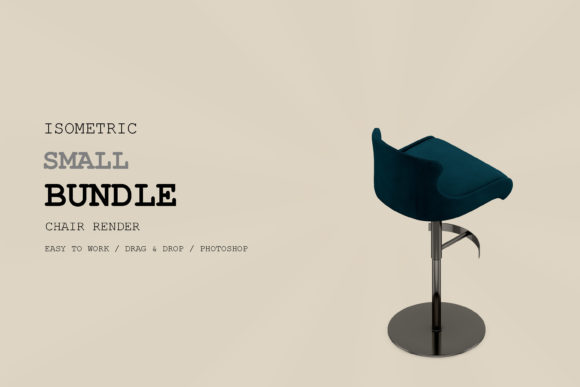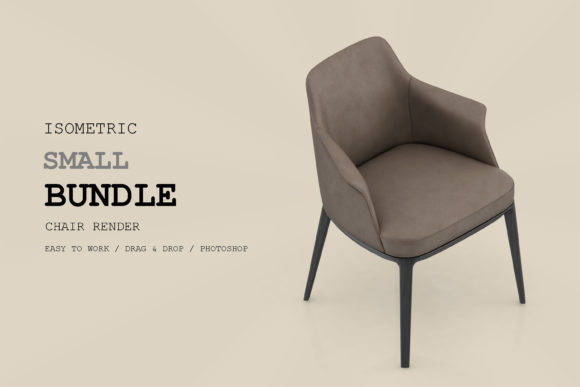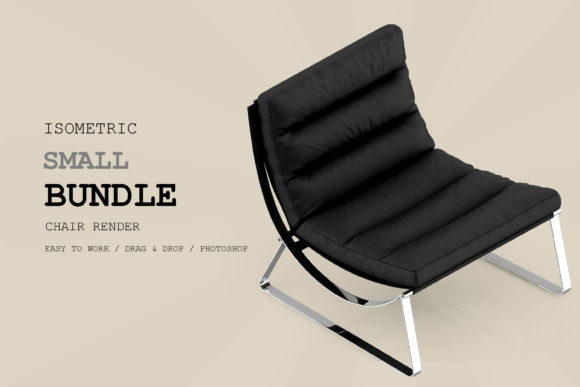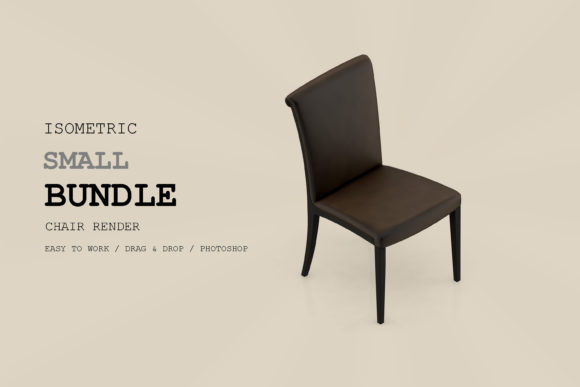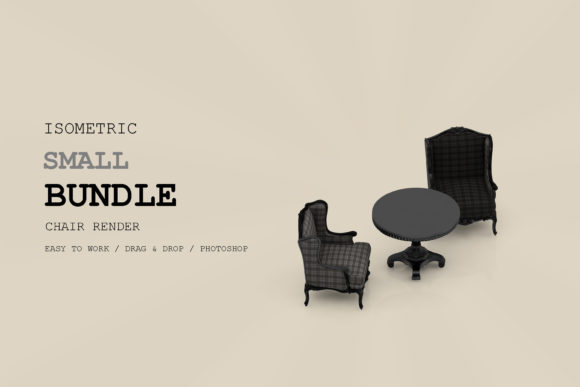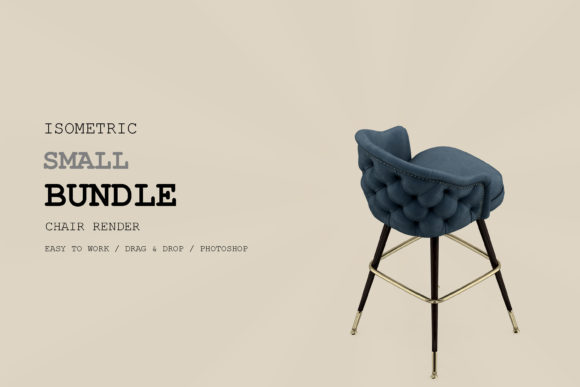
Isometric Chair 3D Render Pack 204: A Practical Tool for Creative and Professional Workflows
The Isometric Chair 3D Render Pack 204 is a specialized digital asset designed to streamline the visual representation of furniture in design, marketing, and content creation workflows. This pack offers high-quality isometric 3D models of chairs that can be easily integrated into various projects, from product presentations to architectural renderings. Understanding how this tool fits into broader processes helps users maximize its value and efficiency.
Understanding the Role of Isometric Chair 3D Render Pack 204
Isometric Chair 3D Render Pack 204 serves as a foundational element in visual planning and execution. It provides a consistent, scalable way to represent chair designs without the need for complex modeling or extensive rendering time. This makes it ideal for professionals who require quick, accurate visuals for client presentations, internal documentation, or digital marketing campaigns.
The pack is particularly useful in scenarios where speed and clarity are essential. For instance, in a product development workflow, designers might use these renders to visualize how different chair styles fit into a space before moving to detailed 3D modeling or physical prototyping. In marketing, they can be used to create engaging content for websites, social media, or e-commerce platforms.
Integrating Isometric Chair 3D Render Pack 204 into Your Workflow
Before starting a project, consider how Isometric Chair 3D Render Pack 204 can support your goals. If you're working on a product catalog, for example, this pack can help you maintain visual consistency across multiple items. By using pre-rendered assets, you avoid the need to recreate chair designs from scratch, saving time and ensuring a cohesive look.
During a project, the pack can act as a reference point. If you're collaborating with a team, having access to standardized chair models ensures everyone is working with the same visual language. This reduces confusion and streamlines communication, especially when discussing spatial arrangements, material choices, or user experience elements.
After completing a task, the pack can serve as a resource for future projects. You can archive the files and reuse them in similar contexts, which improves efficiency over time. This is particularly beneficial for businesses that frequently update their product lines or content libraries.
How It Interacts with Other Tools and Resources
The Isometric Chair 3D Render Pack 204 works well with other design and production tools. For instance, when paired with graphic design software like Adobe Photoshop or Illustrator, it allows for seamless integration into mockups, banners, or infographics. Similarly, in 3D modeling environments such as Blender or SketchUp, the pack can act as a base for more detailed modifications or customizations.
It also complements project management and collaboration platforms. If you're using tools like Trello, Asana, or Figma, you can embed these renders directly into task boards or design reviews. This enhances transparency and keeps all stakeholders aligned throughout the project lifecycle.
In content creation workflows, the pack supports video editing, animation, and web development. For example, a video editor might use the renders to create a product demonstration, while a web developer could incorporate them into a responsive website layout. The versatility of the pack makes it adaptable to a wide range of digital environments.
Practical Implementation Tips
To get the most out of Isometric Chair 3D Render Pack 204, start by organizing your files. Create a dedicated folder for the pack and categorize the assets based on usage, such as "Marketing," "Design," or "Presentation." This makes it easier to locate specific renders when needed.
When using the pack, pay attention to compatibility. Ensure that the file formats (such as PNG, JPEG, or OBJ) match the requirements of your project. If you're working with 3D modeling software, check that the pack includes the necessary textures, materials, and lighting settings for smooth integration.
Another tip is to maintain a consistent style across all visuals. Even if you're using different chairs from the pack, apply the same color schemes, lighting effects, or background elements to keep your output visually unified. This is especially important for branding and professional presentations.
Examples of Real-World Use Cases
One common use case is in interior design. A designer might use the Isometric Chair 3D Render Pack 204 to create visualizations of living room layouts, showing how different chair styles complement the overall aesthetic. These renders can then be shared with clients for feedback or included in proposals to illustrate design concepts.
For marketers, the pack can be used to generate high-quality images for product listings. E-commerce platforms often require clear, professional visuals, and the pack provides ready-to-use options that meet those standards. This saves time and ensures that the final product looks polished and professional.
Entrepreneurs launching a new furniture line can also benefit from the pack. By incorporating these renders into their marketing materials, they can showcase their products in a variety of settings, helping potential customers envision how the chairs would fit into their homes or offices.
Factors to Consider for Long-Term Use
When planning for long-term use, consider the scalability of the pack. Does it include enough variations to support future projects? If not, you may need to supplement it with additional assets or customize existing ones. Regularly updating your library ensures that you have the right tools for evolving needs.
Quality control is another important factor. Periodically review the renders to ensure they remain relevant and visually accurate. If there are updates or improvements available, consider replacing older versions with newer ones to maintain consistency and professionalism.
Finally, think about how the pack aligns with your broader creative or business strategy. If your goal is to build a strong visual identity, the pack should support that vision. If it doesn't, you may need to explore alternative resources or adjust your approach to better integrate the pack into your workflow.
Conclusion
The Isometric Chair 3D Render Pack 204 is a valuable tool that enhances efficiency, consistency, and quality in a variety of creative and professional workflows. By understanding its role, integrating it effectively, and considering practical implementation tips, users can unlock its full potential. Whether you're designing, marketing, or managing a project, this pack offers a streamlined way to visualize and present chair designs with precision and clarity.