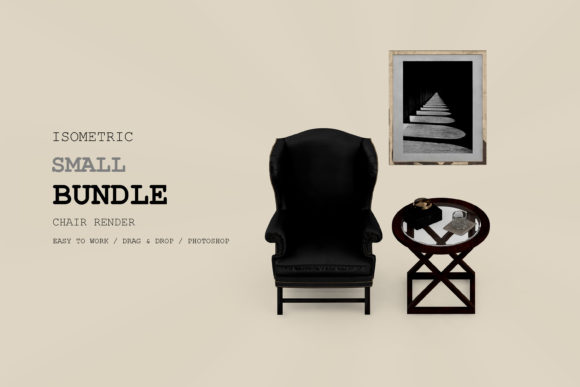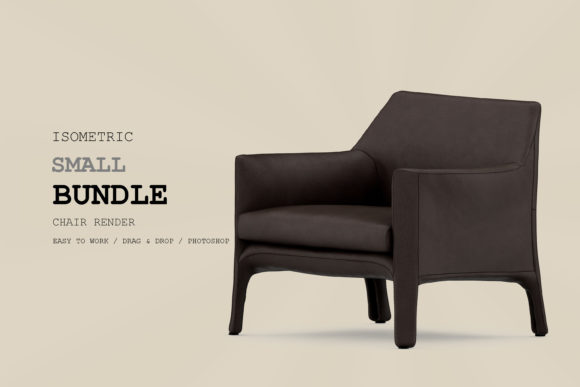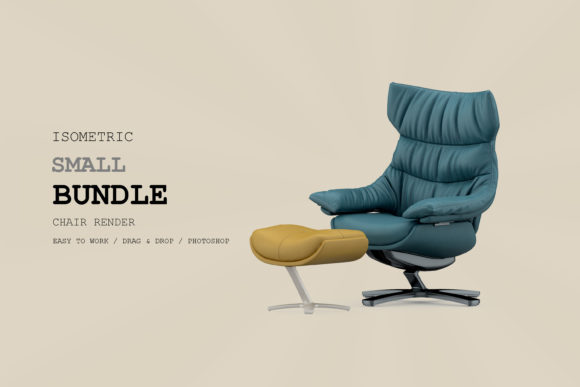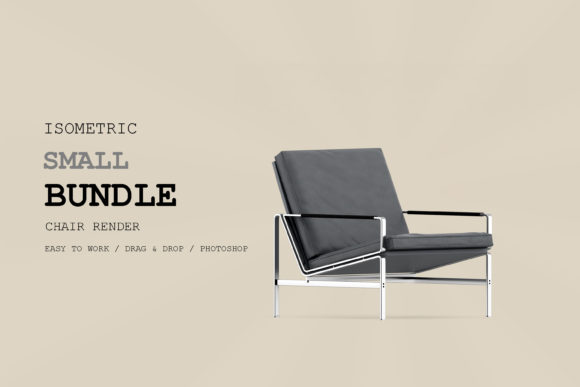
Isometric Armchair 3D Rendering Pack 166: A Practical Resource for Designers and Creators
In the world of design and visual storytelling, having access to high-quality 3D assets can make a significant difference. The Isometric Armchair 3D Rendering Pack 166 is one such resource that offers a versatile solution for professionals looking to enhance their projects with realistic and detailed isometric visuals. Whether you're a designer, an architect, or a product developer, this pack provides a range of benefits that can streamline your workflow and elevate your creative output.
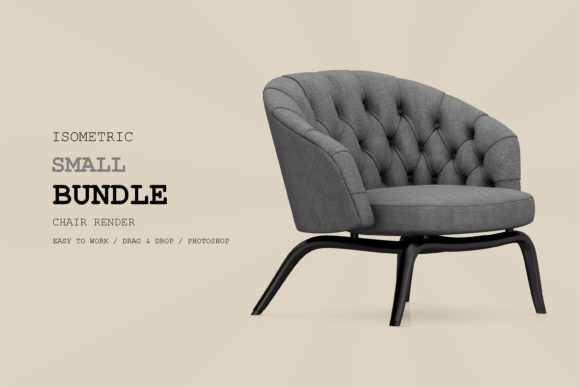
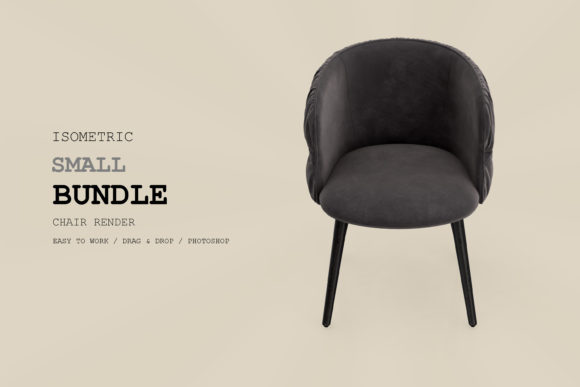
Understanding what the Isometric Armchair 3D Rendering Pack 166 entails is essential before diving into its applications. This pack consists of a collection of 3D models of armchairs rendered in isometric style, which means they appear in a three-dimensional format but with a two-dimensional perspective. This unique style is popular in infographics, technical illustrations, and digital design because it combines clarity with visual appeal. The pack includes multiple variations of armchairs, each designed with attention to detail and ready for immediate use in various projects.
For many designers, the challenge lies in finding accurate and customizable 3D models that fit specific project requirements. Traditional methods of creating these models from scratch can be time-consuming and require advanced skills. The Isometric Armchair 3D Rendering Pack 166 addresses this issue by offering pre-designed models that are both high-quality and easy to integrate into existing workflows. This makes it an ideal choice for those who want to save time while maintaining a professional standard in their work.
The goals and needs of users vary depending on their field and project scope. For instance, interior designers might use the pack to visualize furniture arrangements in a space, while product developers could leverage the models to showcase new designs to clients. Additionally, educators and students may find the pack useful for teaching design principles or illustrating concepts in a clear and engaging manner. The versatility of the Isometric Armchair 3D Rendering Pack 166 ensures that it can meet the demands of different users across various industries.
One of the key advantages of the Isometric Armchair 3D Rendering Pack 166 is its practical application in different scenarios. For example, in marketing materials, the models can be used to create eye-catching visuals that highlight the features of a product. In architectural presentations, they can help illustrate how furniture fits within a space, providing a more comprehensive view of the design. Furthermore, in user interface (UI) design, the isometric style can add a modern and clean aesthetic to digital interfaces, making them more appealing to end-users.
When considering the implementation of the Isometric Armchair 3D Rendering Pack 166, it's important to think about the specific needs of your project. Different users may approach the topic differently based on their goals and resources. A freelance designer working on a tight deadline might prioritize ease of use and quick integration, while a large studio might focus on customization options and scalability. Understanding these differences can help you make the most of the pack and tailor its use to your specific requirements.
There are also several considerations to keep in mind when using the Isometric Armchair 3D Rendering Pack 166. First, ensure that the file formats provided are compatible with your preferred software. Most packs come in common 3D file types such as .obj, .fbx, or .blend, which are widely supported by design tools. Additionally, check if the pack includes textures, lighting settings, or other elements that can enhance the final render. These details can significantly impact the quality and realism of your project.
Another consideration is the level of customization available. While the pack offers a variety of models, some users may need to modify the designs to better suit their needs. Look for packs that allow for easy adjustments, such as changing colors, materials, or proportions. This flexibility can help you achieve a more personalized result without the need for extensive rework.
Examples of successful implementations can provide valuable insights into how the Isometric Armchair 3D Rendering Pack 166 can be utilized effectively. For instance, a design agency might use the pack to create a series of promotional images for a furniture brand, showcasing different armchair styles in various environments. A game developer could incorporate the models into a virtual interior design tool, allowing players to explore and customize spaces. These real-world applications demonstrate the wide-ranging potential of the pack.
Recommendations for using the Isometric Armchair 3D Rendering Pack 166 include starting with a clear understanding of your project’s requirements and selecting the most appropriate models from the pack. It’s also beneficial to experiment with different lighting and background settings to achieve the desired visual effect. By taking the time to explore the possibilities, you can unlock the full potential of the pack and create compelling visual content.
In conclusion, the Isometric Armchair 3D Rendering Pack 166 is a valuable resource for anyone involved in design, illustration, or product development. Its combination of quality, versatility, and ease of use makes it an excellent choice for a wide range of applications. Whether you're looking to enhance your portfolio, improve client presentations, or streamline your workflow, this pack offers a practical solution that can help you achieve your goals efficiently and effectively.