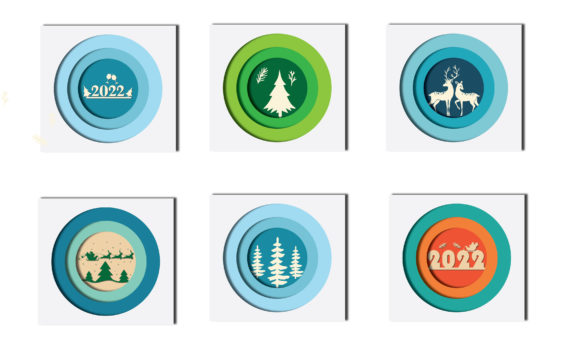
3D Christmas: A Creative Twist on Tradition
3D Christmas is more than just a festive trend—it's a dynamic way to bring holiday cheer into your personal and professional life. Whether you're looking to enhance your digital presence, create engaging content, or simply add a new dimension to your celebrations, 3D Christmas offers something for everyone. Its unique blend of technology and tradition makes it a valuable tool in today’s fast-paced world.
What Is 3D Christmas?
At its core, 3D Christmas refers to the use of three-dimensional design and animation to represent traditional holiday elements like trees, snowflakes, Santa Claus, and ornaments. This approach allows creators to craft visually stunning and interactive experiences that go beyond the limitations of flat, two-dimensional graphics. From animated video backgrounds to immersive virtual environments, 3D Christmas opens up a world of creative possibilities.
Unlike traditional holiday decorations, which are often static or limited in scope, 3D Christmas can be tailored to fit specific needs. For example, a business might use 3D animations in their website banners to create a more engaging user experience, while an educator could incorporate 3D models into lesson plans to make learning about the holidays more interactive.
Key Characteristics of 3D Christmas
- Visual Impact: 3D elements add depth and realism that can capture attention and evoke emotion more effectively than 2D designs.
- Interactivity: Many 3D Christmas projects allow users to interact with the content, such as rotating a 3D tree or exploring a virtual holiday village.
- Customizability: Creators can adjust colors, lighting, and other details to match brand aesthetics or personal preferences.
- Scalability: 3D assets can be used across multiple platforms, from social media to print materials, without losing quality.
Why 3D Christmas Matters
In a world where visual content dominates online engagement, 3D Christmas provides a competitive edge. It helps businesses stand out, educators captivate students, and individuals express creativity in new ways. The ability to create rich, immersive experiences makes 3D Christmas not just a novelty but a practical tool for modern communication.
For professionals, integrating 3D Christmas into marketing campaigns can increase brand visibility and customer interaction. A well-designed 3D holiday ad, for instance, can generate more clicks and shares than a standard image or video. For educators, using 3D models in lessons can help students better understand historical or cultural aspects of the holiday season.
Practical Applications of 3D Christmas
The versatility of 3D Christmas means it can be applied in various settings:
- Personal Use: Create personalized 3D holiday cards, digital scrapbooks, or animated greetings to share with friends and family.
- Professional Use: Incorporate 3D elements into presentations, advertisements, or product packaging to enhance visual appeal and brand identity.
- Educational Use: Use 3D models to teach art, design, or even history by bringing holiday traditions to life in a more tangible way.
- Creative Projects: Artists and designers can experiment with 3D Christmas to develop new styles, techniques, or portfolios.
- Digital Marketing: Add 3D animations to websites, emails, or social media posts to boost engagement and drive traffic.
One real-world example is a small business that used 3D Christmas animations in their email newsletter to promote seasonal products. The result was a significant increase in open rates and customer interest compared to previous campaigns.
Benefits of Using 3D Christmas
There are several advantages to adopting 3D Christmas in both personal and professional contexts:
- Enhanced User Experience: 3D elements can make digital interactions more enjoyable and memorable.
- Improved Branding: A unique visual style can help differentiate a brand from competitors.
- Increased Engagement: Interactive 3D content encourages users to spend more time with the material.
- Greater Flexibility: 3D assets can be repurposed across different formats and platforms.
- Modern Appeal: Consumers are increasingly drawn to visually rich and innovative content.
For instance, a designer who creates 3D Christmas illustrations for clients can offer a more premium service that stands out in a crowded market. Similarly, a teacher who uses 3D models in class can provide a more engaging and hands-on learning experience.
How to Get Started with 3D Christmas
If you're interested in exploring 3D Christmas, start by identifying your goals and the tools that best suit your needs. There are numerous software options available, ranging from beginner-friendly programs like Blender to more advanced solutions like Maya or Cinema 4D. Many platforms also offer pre-made 3D assets that can save time and effort.
Consider the following steps when implementing 3D Christmas:
- Define Your Purpose: Determine how you want to use 3D Christmas—whether for marketing, education, or personal projects.
- Choose the Right Tools: Select software or platforms that align with your skill level and project requirements.
- Experiment and Iterate: Test different designs, animations, and layouts to find what works best for your audience.
- Optimize for Different Platforms: Ensure your 3D content is compatible with the devices and formats your audience uses.
As you explore 3D Christmas, keep in mind that the key to success lies in balancing creativity with functionality. While eye-catching visuals are important, they should serve a purpose and enhance the overall experience.